Upload a photo of any insect, spider, or bug. The AI insect identifier analyzes body structure, markings, and features to return a species name, habitat details, and behavior information within seconds.

Tap or drag a bug photo here to scan
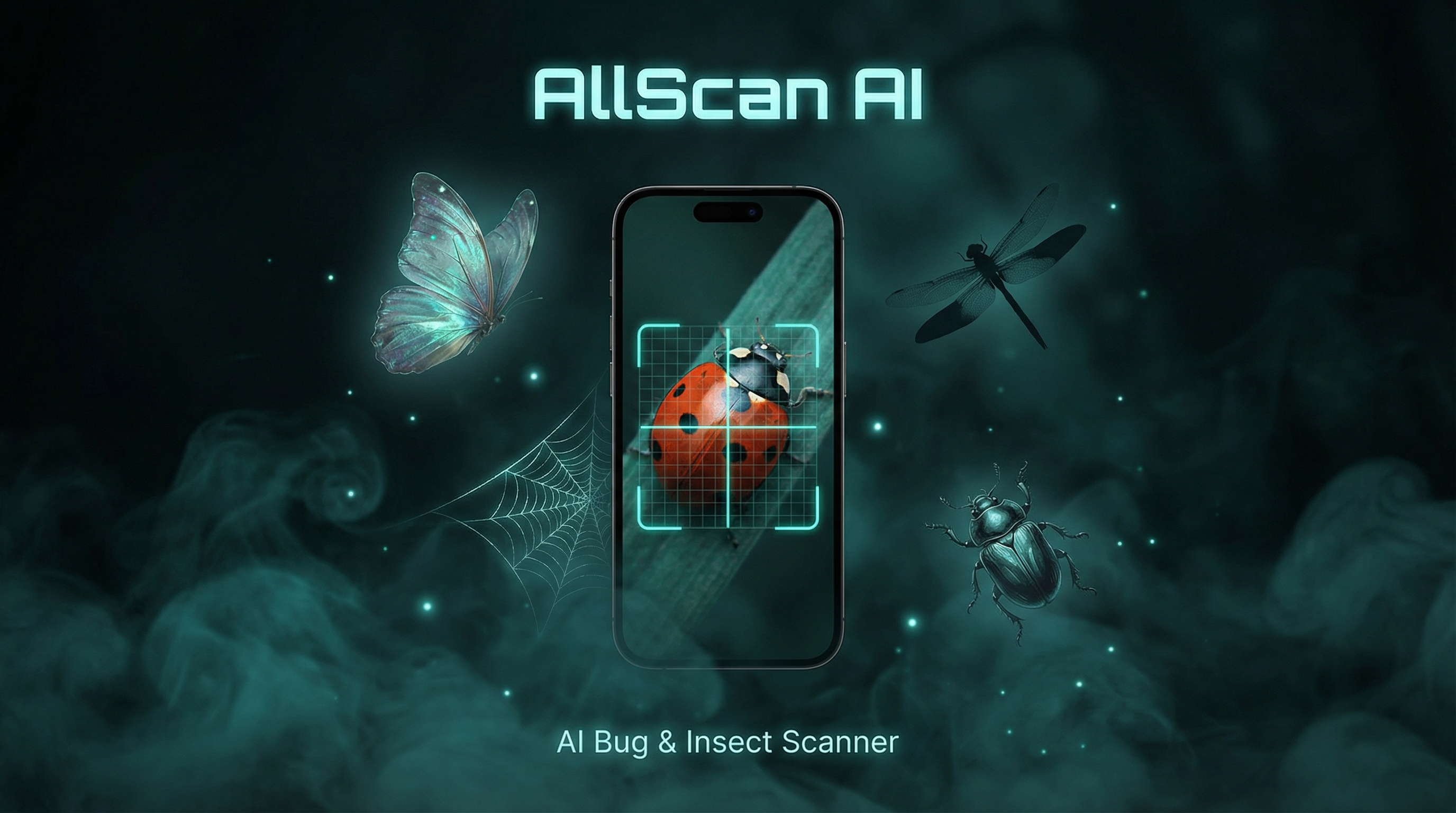
AI insect identification uses machine learning to recognize bug species from photographs. The user uploads an image, and the model compares visual features against a labeled dataset of thousands of insect species. Results include the species name, order classification, and behavioral notes.
The insect identifier uses a neural network trained on labeled images of insects, arachnids, and other arthropods. It analyzes body segmentation, wing presence, antenna length, leg structure, and color markings. These combined signals produce a weighted species match. The model handles variation in angle, lighting, and background clutter.
The AI model covers beetles, ants, wasps, bees, flies, butterflies, moths, cockroaches, termites, ticks, and spiders. Household pests like bed bugs, carpet beetles, and silverfish are included. Garden insects such as aphids, ladybugs, and caterpillars are also recognized.
You find an unfamiliar insect in your kitchen and want to know if it is a pest. A gardener spots a larva on a tomato plant and needs to determine if it is harmful or beneficial. A parent notices a spider in a child's bedroom and wants a quick identification. These are everyday situations where a bug identifier provides immediate answers. Hikers who scan insects often use AI mushroom identification on the same trip to check fungi growing nearby.
Get as close as your camera allows. Use macro mode if available. Place the insect on a light surface when possible. A clear top-down angle captures the most identifying features for accurate insect identification.
Upload the photo to the insect scanner. The AI processes the image and isolates the bug from the background. No additional input is required. The model evaluates multiple features simultaneously to produce a result.
The bug identifier returns the species or genus name, common name, and a confidence score. Results may include habitat, diet, and whether the species is considered a household pest. Low confidence results suggest trying a different photo angle.
The spider identifier covers common species found in homes and gardens. Wolf spiders, orb weavers, jumping spiders, and cellar spiders are frequently identified. The AI reads body shape, leg span, and abdominal markings. It does not diagnose bites or assess venom risk, as that requires professional medical evaluation.
Bed bug identification requires a clear, close-up photo. The AI matches the flat, oval body shape and segmented abdomen typical of bed bugs. Where do bed bugs come from? They spread through luggage, secondhand furniture, and shared laundry facilities. The scanner identifies the bug but does not assess infestation severity.
Gardeners use the bug identifier to distinguish beneficial insects from pests. Ladybugs and lacewings are beneficial predators. Aphids, Japanese beetles, and tomato hornworms cause plant damage. The scanner identifies the species so you can decide on an appropriate response for your garden. Pairing bug scans with AI plant identification helps gardeners understand which plants attract specific pests.
Many people search for "identifying insect bites pictures" after a skin reaction. AI insect identification works by scanning the insect itself, not the bite. Bite marks vary widely between individuals and do not reliably indicate the species responsible. If you have a bite concern, photograph the insect and consult a healthcare provider about the bite.
The model recognizes hundreds of butterfly and moth species. Wing color patterns, body size, and antenna shape drive the identification. Monarchs, swallowtails, painted ladies, and luna moths are among the most commonly scanned. Caterpillar identification is also supported when the larval stage has distinct markings. Nature watchers who scan butterflies often use the AI bird scanner alongside to log the birds sharing the same habitat.
AI insect identification is not a substitute for professional pest control advice. The scanner does not determine whether an insect is venomous, disease-carrying, or structurally damaging to your home. Results are informational and carry a confidence score that reflects uncertainty.
Small insects photographed without macro capability may not return accurate results. Larvae, nymphs, and heavily damaged specimens are harder for the model to classify. Regional subspecies may be grouped under a broader species name. For health or safety concerns related to insects, contact a licensed pest control professional or medical provider.
You wake up with small bites on your arm and find a tiny brown bug on your pillowcase. You photograph it with your phone's zoom. The bug identifier returns "Cimex lectularius" with a high confidence match. That scan gives you a starting point before calling a pest control service.
A child brings a caterpillar inside from the yard. You scan it and learn it is a black swallowtail larva, a species that feeds on parsley and dill. Rather than removing it, you place it back in the herb garden where it can complete its life cycle.
Your dog keeps sniffing at a cluster of insects near the back door. You photograph one and the scanner identifies it as a carpenter ant. That result prompts you to inspect the door frame for moisture damage, which is where carpenter ants typically nest.
While traveling, you notice an unfamiliar beetle in your hotel room. A quick scan with the AI animal identifier confirms it as a harmless ground beetle rather than a pest species. Knowing the difference saves unnecessary worry.
AI insect identification works by analyzing a photo of a bug against a trained model containing thousands of species. The AI examines body shape, wing structure, leg count, antenna form, and color patterns to return a species match.
Yes. The spider identifier covers common household and garden spiders. The AI differentiates species by body markings and leg proportions. It does not provide venom risk assessments.
The scanner can identify bed bugs when the photo is clear and close-up. Macro mode or a zoomed photo produces the most reliable results. The AI matches the oval body shape and reddish-brown coloring typical of Cimex lectularius.
AllScan AI provides free insect scans through the web tool and mobile app. The web version includes a limited number of daily scans. The app offers additional free scans each day on iOS and Android.
AI insect identification is designed to identify the insect itself, not bite marks on skin. Photos of bites alone do not provide enough information for species-level identification. Photograph the insect directly for accurate results.
A clear, focused photo with the bug filling most of the frame works best. Natural lighting and a plain background improve accuracy. Blurry or distant photos reduce the AI's ability to distinguish similar species.
The scanner identifies flying insects when photographed at rest or from a clear angle. Butterflies, moths, beetles, wasps, and flies are well-represented. In-flight photos are difficult for the AI to process accurately.
Yes. Dead insects retain most identifying features. Place the specimen on a light-colored surface and photograph it from above. Crushed or heavily damaged specimens may not return accurate results.
Accuracy depends on the photo quality and the species. Common household bugs like cockroaches, ants, and beetles are identified with high reliability. Rare or region-specific species may produce lower confidence scores.
Bed bugs spread through human activity. They travel in luggage, furniture, clothing, and used mattresses. They do not come from dirt or poor hygiene. Infestations occur in hotels, apartments, and homes regardless of cleanliness.
 AllScan