Upload a photo of any dog to identify the breed, temperament traits, and size characteristics. The AI dog breed identifier works with purebreds, mixed breeds, and puppies.

Tap or drag a dog photo here to scan
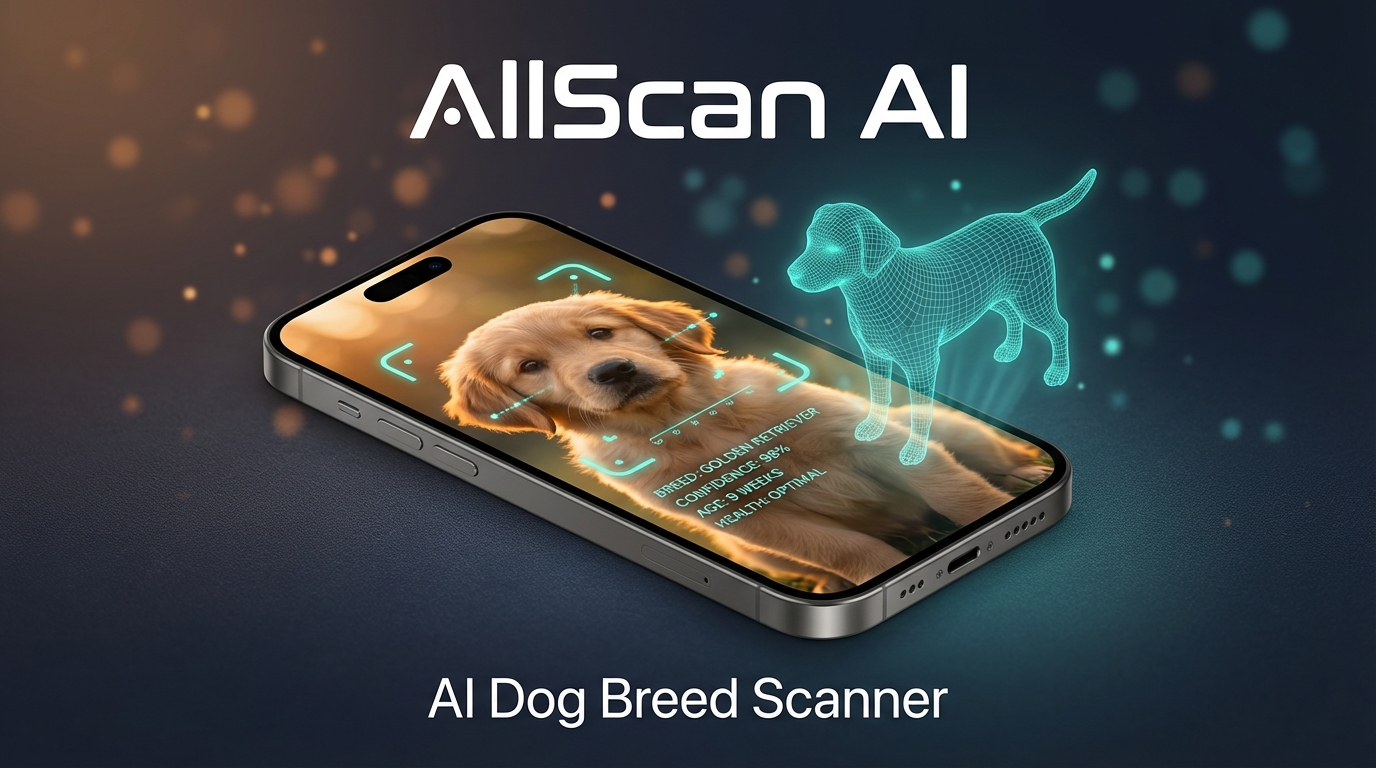
AI dog breed identification uses machine learning to match a dog's physical features to known breed standards. The user uploads a photo, and the model analyzes visible traits to return a breed name, confidence score, and breed-specific details. It covers over 300 recognized breeds and common breed mixes.
The dog identifier uses a neural network trained on hundreds of thousands of labeled dog images. It evaluates ear position, muzzle structure, coat type, body shape, tail carriage, and color distribution. These features are compared against breed profiles. The model returns the closest match along with a confidence percentage.
Purebred dogs with standard breed features are identified with the highest accuracy. Mixed breed dogs receive a breakdown of the most visually dominant breeds. For example, a dog might show characteristics of both a Labrador Retriever and a Border Collie. The scanner presents these as percentage estimates based on appearance alone.
Adopted and rescued dogs often come without breed documentation. Knowing the breed helps owners anticipate size, exercise needs, and potential health concerns. Landlords and insurance companies sometimes require breed information. A quick scan provides a starting point for those conversations. Pet owners who enjoy the outdoors also use AI bird identification to scan the wildlife they encounter while walking their dogs.
Photograph the dog from a side profile, showing the full body. The dog should be standing on a flat surface with good lighting. Avoid photos where the dog is curled up, partially hidden, or wearing clothing that obscures its body shape.
Upload the photo to the dog breed identifier. The AI processes the image and isolates the dog from the background. Processing takes a few seconds. No breed guess or manual input is needed from the user.
The scanner displays the identified breed or breed mix with a confidence score. Results include typical weight range, temperament summary, and exercise level. For mixed breeds, the top contributing breeds are listed with approximate percentages.
Each identified breed comes with a trait summary. This includes energy level, trainability, grooming needs, and common health considerations. A Siberian Husky profile notes high energy and heavy shedding. A Cavalier King Charles Spaniel profile notes moderate exercise needs and a calm disposition. These summaries are general breed descriptions, not individual assessments. Dog owners tracking their pet's diet can also use the AI food scanner to check nutritional details of the foods they offer.
Scanning a puppy is possible, but results carry lower confidence. Puppies change significantly as they grow. Ear shape, coat length, and facial proportions develop over months. A scan at eight weeks may show different breed suggestions than a scan at six months. Rescanning as the dog matures provides more reliable identification.
After identifying the breed, the scanner displays typical adult weight and height ranges. These numbers come from breed standards and are averages. Individual dogs may fall outside the listed range, especially mixed breeds. The size prediction is a reference point, not a guarantee of the dog's final size.
The model covers widely recognized breeds registered with major kennel clubs. Less common breeds, such as the Azawakh, Mudi, or Thai Ridgeback, may have fewer training examples in the model. Identification accuracy for rare breeds depends on how distinct their features are from more common breeds. For non-dog species, the broader AI animal identification tool covers wild mammals, reptiles, and more.
AI dog breed identification is visual. It analyzes what the dog looks like. DNA testing analyzes genetic material and provides a definitive breed breakdown. AI is faster and free, but less precise for mixed breeds. DNA testing costs money and requires a physical sample but delivers accurate genetic results. The two methods serve different purposes.
AI dog breed identification is an estimate based on visual features. It does not replace DNA testing for breed verification. Dogs with heavy grooming, shaved coats, or unusual coloring may confuse the model. Photos taken from above or at extreme angles reduce accuracy.
The scanner does not assess a dog's health, behavior, or aggression level. Breed temperament descriptions are generalizations and do not predict an individual dog's behavior. Do not use breed identification results for legal, insurance, or housing compliance without additional verification. For questions about a specific dog's health, consult a veterinarian.
You adopt a dog from a shelter labeled as a "terrier mix." The adoption papers lack specific breed details. You upload a full-body photo, and the scanner identifies strong Jack Russell Terrier and Beagle characteristics. That information helps you research exercise requirements and potential health screenings for those breeds.
A neighbor's dog escapes, and someone posts a photo online asking for help identifying it. You run the photo through the dog breed scanner and confirm it matches the description of a Shiba Inu. Sharing the breed helps the owner reunite with their dog faster.
You are considering adopting a large dog and want to estimate how big a puppy at the rescue will get. Scanning the puppy suggests a Labrador and Great Dane mix, with an expected adult weight of 70 to 110 pounds. That estimate helps you decide if you have the space.
A dog walker encounters an unfamiliar breed at the park. A quick scan returns "Belgian Malinois" with breed notes about high energy and working dog temperament. The same walker also uses the AI cat breed scanner to identify unfamiliar cats in the neighborhood. That context helps the walker manage the introduction with other dogs in the group.
AI dog breed identification works by analyzing a photo against a model trained on hundreds of recognized breeds. The AI examines ear shape, muzzle length, coat texture, body proportions, and color patterns to determine the breed.
Yes. The scanner suggests the most likely breed components in a mixed breed dog. Results list matching breeds with percentage estimates. These are visual estimates and do not replace DNA testing for precise breed composition.
Upload a clear photo of your dog to the AI breed scanner. The tool analyzes physical features and returns the most likely breed or breed mix. A full-body side profile photo in good lighting produces the most accurate results.
AllScan AI offers free dog breed scans through the web tool and mobile app. The web version provides a limited number of daily scans. The app includes additional free scans each day on iOS and Android.
Accuracy is highest for purebred dogs with distinct features. Breeds like German Shepherds, Bulldogs, and Golden Retrievers are identified reliably. Mixed breeds and puppies may produce results with lower confidence.
Puppies can be scanned, but accuracy is lower than for adult dogs. Physical features change significantly during growth. Ear shape, coat length, and body proportions are less defined in puppies.
The AI scanner provides a list of likely breed components based on visual features. These visual estimates are approximate. A DNA test provides a definitive breed breakdown for mixed dogs.
Yes. Results include general temperament traits, energy level, and typical size range. These are breed-level generalizations. Individual dogs vary based on training, socialization, and environment.
A full-body side profile produces the most reliable results. The dog should be standing and clearly visible. Face-only photos work for some breeds but provide less data for the AI model.
Yes. The scanner identifies breeds from any dog photo, including strays. Photo quality matters more than the dog's origin. A clear image from a safe distance can provide a breed estimate for rescue or adoption decisions.
 AllScan